

How NHCX Fits Into a Global Pattern and Why It Matters
When the National Health Authority (NHA) introduced the National Health Claims Exchange (NHCX) as part of the Ayushman Bharat Digital Mission (ABDM), it marked a structural shift in how India thinks about health insurance interoperability. NHCX is not simply a digital upgrade to an existing workflow; it is an attempt to standardize, connect, and make transparent an ecosystem that has historically operated in fragmented silos across insurers, third-party administrators (TPAs), and healthcare providers.
The scale of adoption today reflects genuine momentum. The NHA dashboard as of April 2026 shows 83 payers, including insurers and TPAs, and 42,687 providers now registered on the NHCX, with over 23 million claims already processed through the exchange. To contextualise how this journey began: NHA and IRDAI-led integration workshops in late 2023 engaged approximately 45 organizations, including 10 hospitals and 12 insurers and TPAs completing structured onboarding, with over 150 professionals participating across those sessions, as reported by Pharmabiz (November 16, 2023). The distance between those early workshops and today’s 23 million claims is itself a story worth noting.
More recently, the NHA hosted an NHCX Innovation Meet and Hackathon Grand Finale at IIT Hyderabad on March 6–7, 2026, bringing together ecosystem innovators to showcase interoperable health claims solutions under ABDM; CaladriusHealth.AI participated and was among the shortlisted teams, a signal that the exchange is moving from pilot infrastructure into an active innovation and scale phase.
India is not the first country to undertake this ambition. Governments and health authorities across the world have built or sanctioned centralized claims-exchange infrastructure, each with distinct architecture, governance models, adoption curves, and hard-won lessons. For policymakers, compliance teams, hospital strategists, and ecosystem partners, these international experiences are not just academic comparisons. They are a practical roadmap.
Understanding how other nations navigated similar inflection points helps answer some of India’s most pressing questions: How long does ecosystem-wide adoption realistically take? What governance structures prevent the exchange from becoming a compliance checkbox rather than a functional infrastructure? How should private sector stakeholders be incentivized, or mandated, to participate? And where do interoperability standards succeed, and where do they create new friction?
Let us examine four reference systems, from the United States, Australia, Singapore, and Germany, and draw out what each offers for India’s context.
1. The United States: The Clearinghouse Model and the Limits of Fragmentation
What Was Built
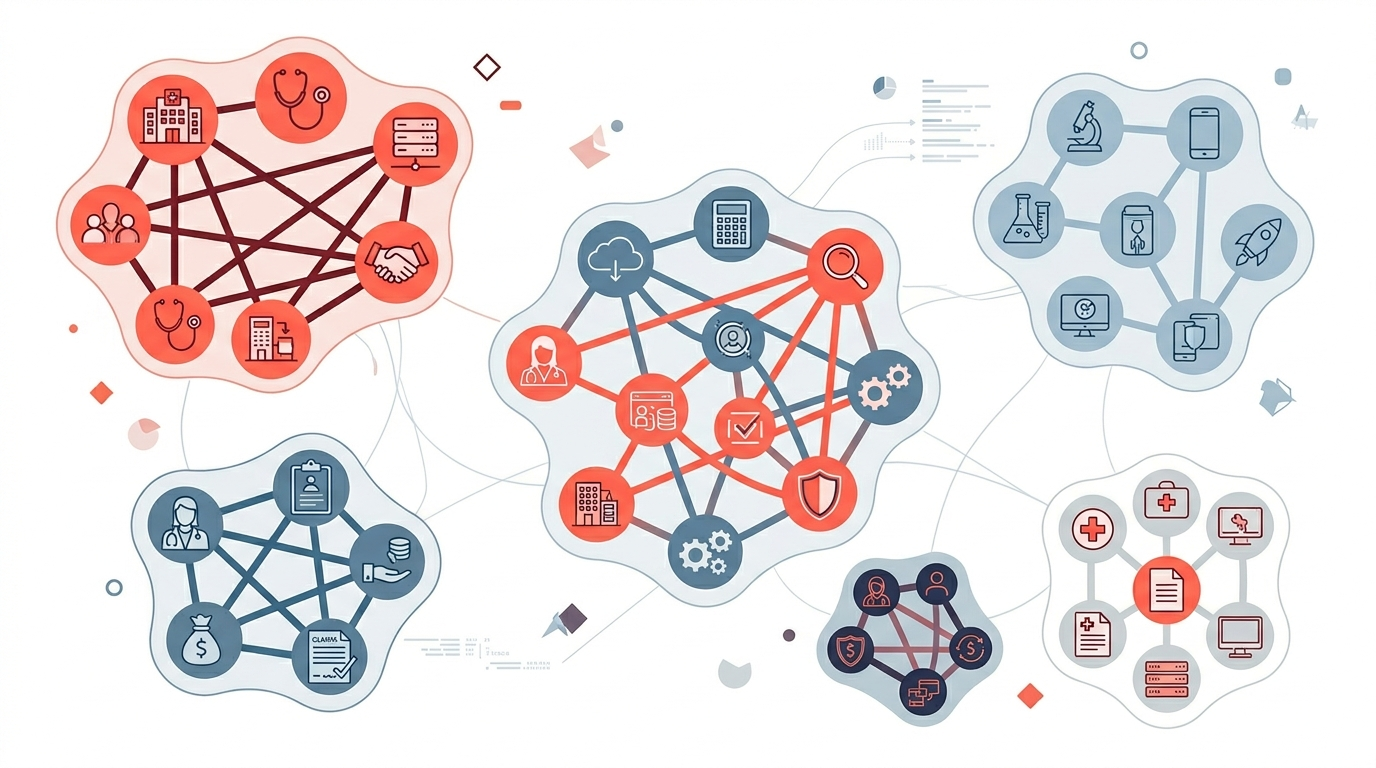
The U.S. did not build a single national claims exchange in the governmental sense. Instead, it developed a network of private clearinghouses: entities such as Change Healthcare, Availity, and Waystar, operating under federally mandated standards. The ANSI X12 837 transaction set (HIPAA 5010 version) is the federally required EDI format for electronic claim submissions under the Health Insurance Portability and Accountability Act (HIPAA, 1996), and all major clearinghouses route claims through this standard (MediBillRCM; HIPAA EDI Reference). The Centers for Medicare & Medicaid Services (CMS) further introduced the CMS Blue Button initiative and, subsequently, FHIR-based interoperability rules under the 21st Century Cures Act, specifically the CMS Patient Access and Interoperability final rule (CMS-9115-F, 2020), requiring payers to implement FHIR RESTful APIs for patient and provider data access.
What It Achieved
The U.S. clearinghouse ecosystem significantly reduced paper-based claims processing and enabled real-time eligibility verification across a multi-payer environment. The vast majority of medical claims are now submitted electronically. Yet administrative costs remain disproportionately high: studies and industry analyses, including those cited in Health Affairs and reported by Fierce Healthcare, estimate that billing and insurance-related activities consume 15–30% of U.S. health spending in many settings, a persistent structural cost attributable in significant part to the complexity of operating across hundreds of payers without a centralized adjudication framework.
Implications for India’s Context
The U.S. experience illustrates both the power and the peril of a market-driven, multi-vendor claims routing model. Fragmentation across hundreds of payers and thousands of providers created persistent inconsistencies in data formats, adjudication timelines, and denial management practices, even after decades of electronic claims adoption.
India’s NHCX, positioned as a centralized, government-anchored gateway, has a structural opportunity to avoid this redundancy, but only if standardization is mandated early and enforced consistently. The U.S. also demonstrates the forward-looking importance of FHIR adoption: India’s alignment with FHIR R4 within the ABDM and NHCX technical framework, confirmed in the official ABDM FHIR Implementation Guide (v6.5.0, NRCeS), provides a solid interoperability foundation, provided adoption is treated as an enforcement priority rather than a deferred aspiration.
2. Australia: HICAPS and the Power of Real-Time, Point-of-Care Claims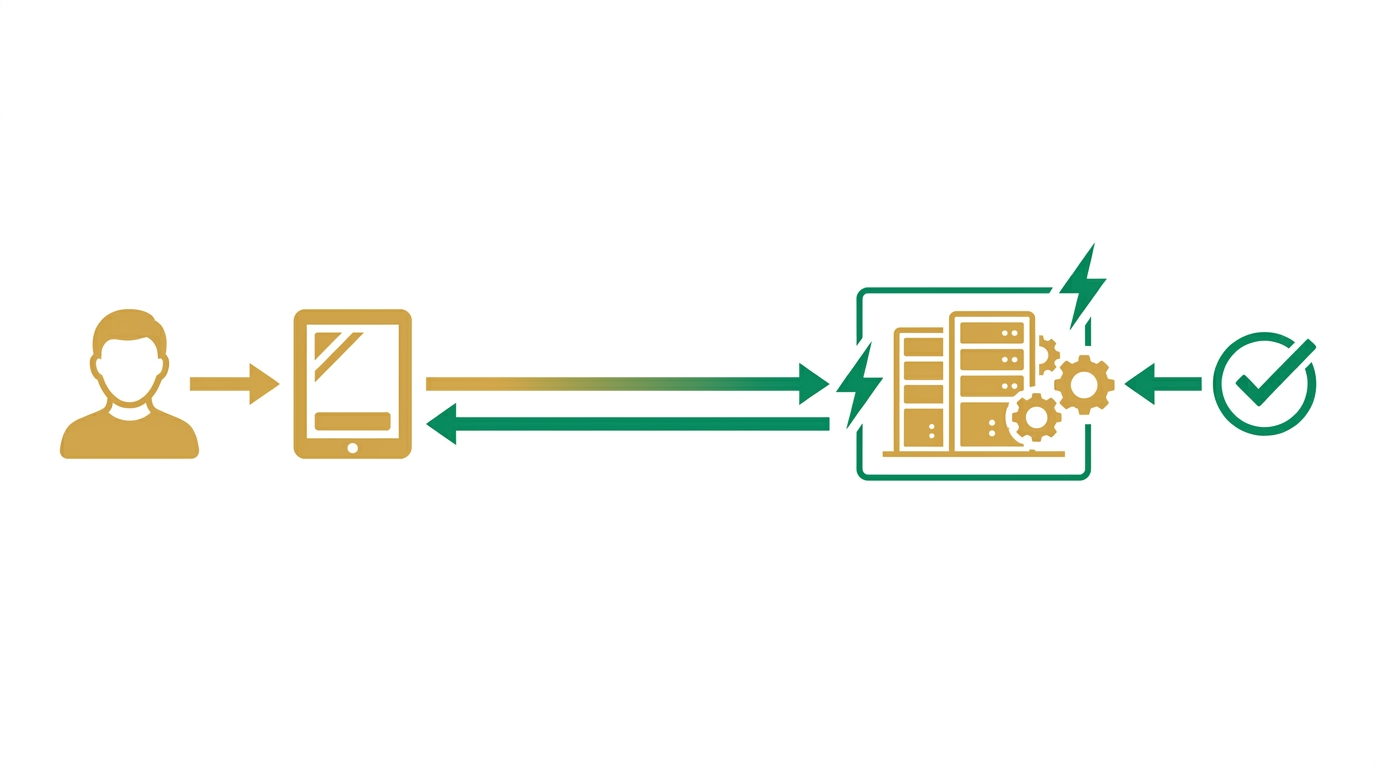
What Was Built
Australia’s HICAPS (Health Industry Claims and Payments Service), established in 1998 and now operating as a subsidiary of Tyro Payments, enables real-time health insurance claims processing at the point of care at the provider’s terminal, at the time of the patient’s visit, across all integrated private health funds and Medicare. A patient walks in, receives treatment, swipes their health fund card, and the claim is processed and approved within the same consultation, with only the gap payment collected at the desk.
What It Achieved
According to Tyro’s operational data, HICAPS processes over 41 million claims annually, covering approximately 87% of allied-health insurance claims in Australia, as reported by Tyro in 2025, across a network of approximately 100,000 providers. The platform spans physiotherapy, dental, optical, GP, and specialist workflows nationwide. Administrative overhead for both providers and insurers has been substantially reduced, and HICAPS is now embedded as standard infrastructure across Australia’s primary and allied care landscape, with Tyro consistently highlighting real-time approvals as a defining operational feature.
Implications for India’s Context
The HICAPS model offers India a concrete benchmark for what NHCX could eventually enable at scale, real-time, cashless claim adjudication at the point of service, extending beyond large tertiary hospitals to diagnostic centers, pharmacies, and specialist clinics.
For this to happen in India, several enabling conditions must mature: provider-level digitization (particularly among smaller and mid-size facilities), insurer API readiness, and standardized product codes that allow automated adjudication without manual intervention. NHCX creates the gateway; the last-mile experience, the functional equivalent of the HICAPS terminal, will require deliberate investment in provider-facing tooling. Tyro’s reported figures of 41 million annual claims across 87% of allied health is a useful north star for what systematic, well-governed adoption looks like at scale. The takeaway for Indian ecosystem partners: point-of-care claims infrastructure is not a feature enhancement, it is the operational end-state that gives the exchange its full value.
3. Singapore: Centralized Data, Trust Architecture, and Coordinated Reform
What Was Built
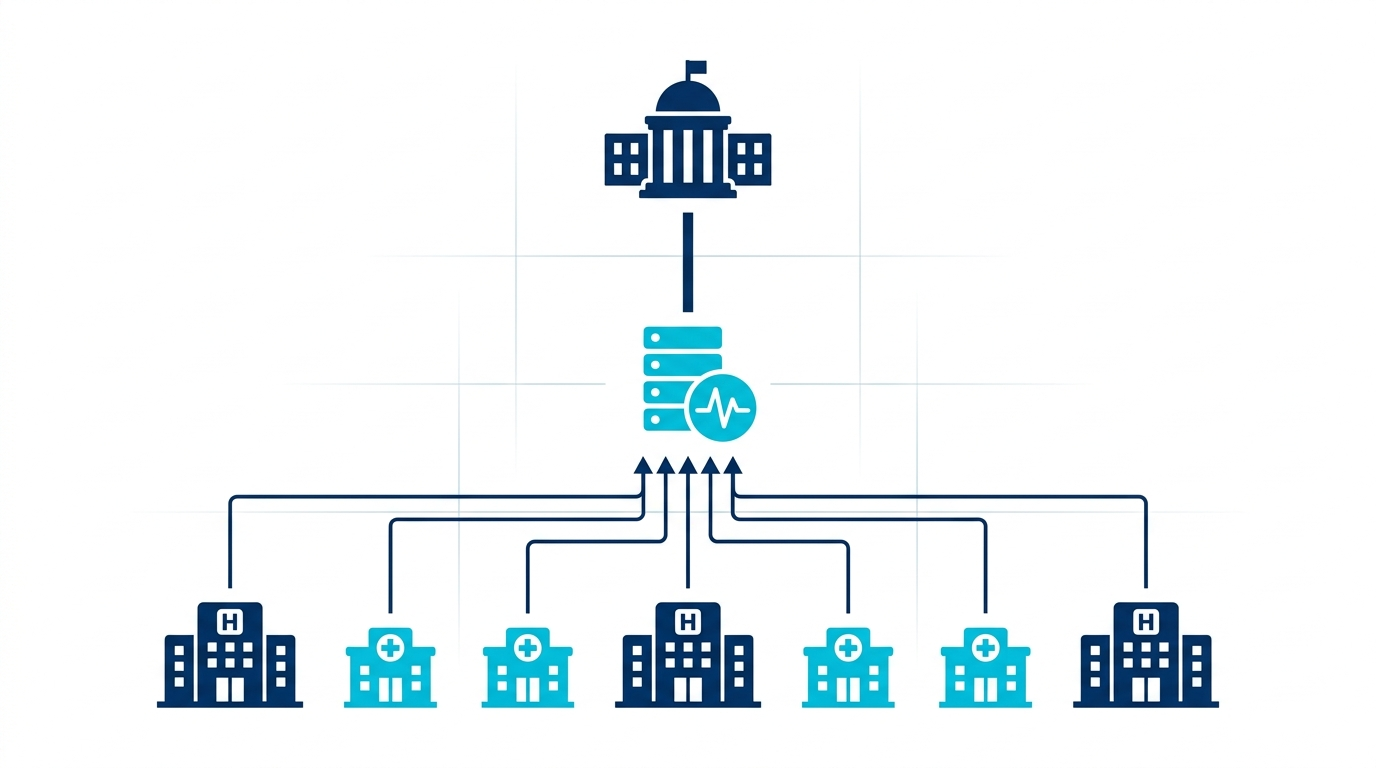
Singapore’s health financing system operates through a combination of MediShield Life (MSL), described by the CPF Board (May 2025) as “the nation’s universal health insurance scheme, providing a basic safety net for all Singapore Citizens and Permanent Residents” and Integrated Shield Plans (ISPs) offered by private insurers, with a unified claims infrastructure coordinated through the Ministry of Health (MOH) and the Central Provident Fund (CPF) Board.
Singapore’s approach is structured not as a standalone claims exchange, but as a tightly governed, interoperable ecosystem where data standards, claim workflows, and financing flows are centrally coordinated. The country’s National Electronic Health Record (NEHR), managed by Synapxe, Singapore’s public healthtech agency, links public and private institutions. According to Synapxe, all public hospitals have contributed data to the NEHR since 2011, and today all public healthcare institutions and private hospitals have access to the shared record (Synapxe, “About NEHR,” 2020). The legislative underpinning for this infrastructure was significantly strengthened when Singapore’s Parliament formally passed the Health Information Bill (HIB) on January 12, 2026, making NEHR participation mandatory for all licensed healthcare providers. The Ministry of Health has clarified that the Act is intended to take effect in early 2027, allowing providers adequate time to strengthen their cybersecurity posture ahead of full compliance.
What It Achieved
Singapore is consistently recognized, including by the Commonwealth Fund and Bloomberg healthcare efficiency rankings, as operating one of Asia’s highest-performing health financing systems. The governance credibility of MOH and CPF as institutional orchestrators has been central to this outcome. And the ecosystem continues to adapt: as of April 1, 2026, new requirements for Integrated Shield Plan (IP) riders have come into effect, raising the annual co-payment cap from S$3,000 to S$6,000 and introducing a minimum deductible of S$3,500 for Class A and Private ward stays, a targeted, data-informed policy response to rising healthcare costs that demonstrates Singapore’s capacity to make substantive financing adjustments while maintaining systemic coherence.
Implications for India’s Context
Singapore’s experience underscores the importance of trust architecture in a multi-stakeholder claims ecosystem. The system works not only because of the technology it is built on, but because the institutional framework governing it commands enduring credibility, and that credibility enables periodic, difficult adjustments to be implemented with stability rather than disruption.
For India, this points to a dimension of NHCX’s success that goes beyond technical implementation: the NHA’s role as a neutral, authoritative, and consistently fair orchestrator of the exchange. Insurers, TPAs, and providers must trust that the exchange will handle data responsibly, resolve disputes equitably, and preserves a level playing field across the ecosystem. Singapore also demonstrates the value of legislating participation once voluntary adoption reaches a threshold, the HIB’s phased implementation, with a 2026 passage and 2027 effective date, mirrors the kind of considered, provider-supported transition that India may look toward for NHCX as its own registration numbers continue to grow.
4. Germany: Mandatory Participation, Statutory Standards, and the Long Game

What Was Built
Germany’s statutory health insurance (GKV) system is managed through a network of approximately 93 public health funds (Krankenkassen) as of 2026, a figure reflecting ongoing sector consolidation under the coordination of the GKV-Spitzenverband (National Association of Statutory Health Insurance Funds). Claims processing is governed by mandatory KBV (Kassenärztliche Bundesvereinigung) standards: legally enforceable formats covering billing codes, ICD-10 diagnostic coding, OPS procedure codes, and electronic data transmission.
Germany has progressively digitized its claims infrastructure through the Telematikinfrastruktur (TI), the national health IT network over which claims, electronic health records, and e-prescriptions now flow. Under the Digital Healthcare Act (DVG, 2019), the German Federal Ministry of Health mandated that all pharmacies connect to the TI by September 2020 and all hospitals by January 2021, with financial penalties for non-compliance (German Federal Ministry of Health, DVG, 2019), making this one of the most explicitly enforced digital health connectivity requirements globally.
What It Achieved
The German model demonstrates that mandatory participation in standardized claims infrastructure, backed by clear statutory authority, can achieve near-universal adoption even in a decentralized, multi-payer environment. By 2025, the TI had achieved connectivity across the vast majority of outpatient practices and hospitals in Germany, a milestone that took over a decade to reach from initial planning in the mid-2000s, but one that now underpins the entire statutory claims ecosystem. The path involved delays and iterative adjustments, but the governance direction was never in doubt once the mandate was legislated.
Implications for India’s Context
Germany’s experience is among the most instructive for India on the question of mandate versus incentive, and the timing of that question is particularly relevant right now. On April 7, 2026, IRDAI formed a dedicated sub-committee to review private health insurance, specifically tasked with recommending reforms around NHCX adoption, data-driven analysis of medical inflation, and a joint code of conduct for insurers and providers. This is precisely the kind of formal regulatory architecture that preceded Germany’s TI mandate, a structured policy body defining the terms of an eventual compliance framework.
The German model suggests that clear legislative timelines, phased mandates, and a well-resourced compliance support structure can drive adoption without creating adversarial dynamics, provided the mandates are accompanied by genuine implementation assistance, not just regulatory pressure. It also reinforces the importance of standardized code sets: India’s adoption of ICD-10, SNOMED CT, and LOINC within the ABDM framework aligns with global best practice, and consistent enforcement of these standards across the full provider landscape, not just large network hospitals, remains the critical work ahead.
Cross-Cutting Themes: What the Patterns Tell Us
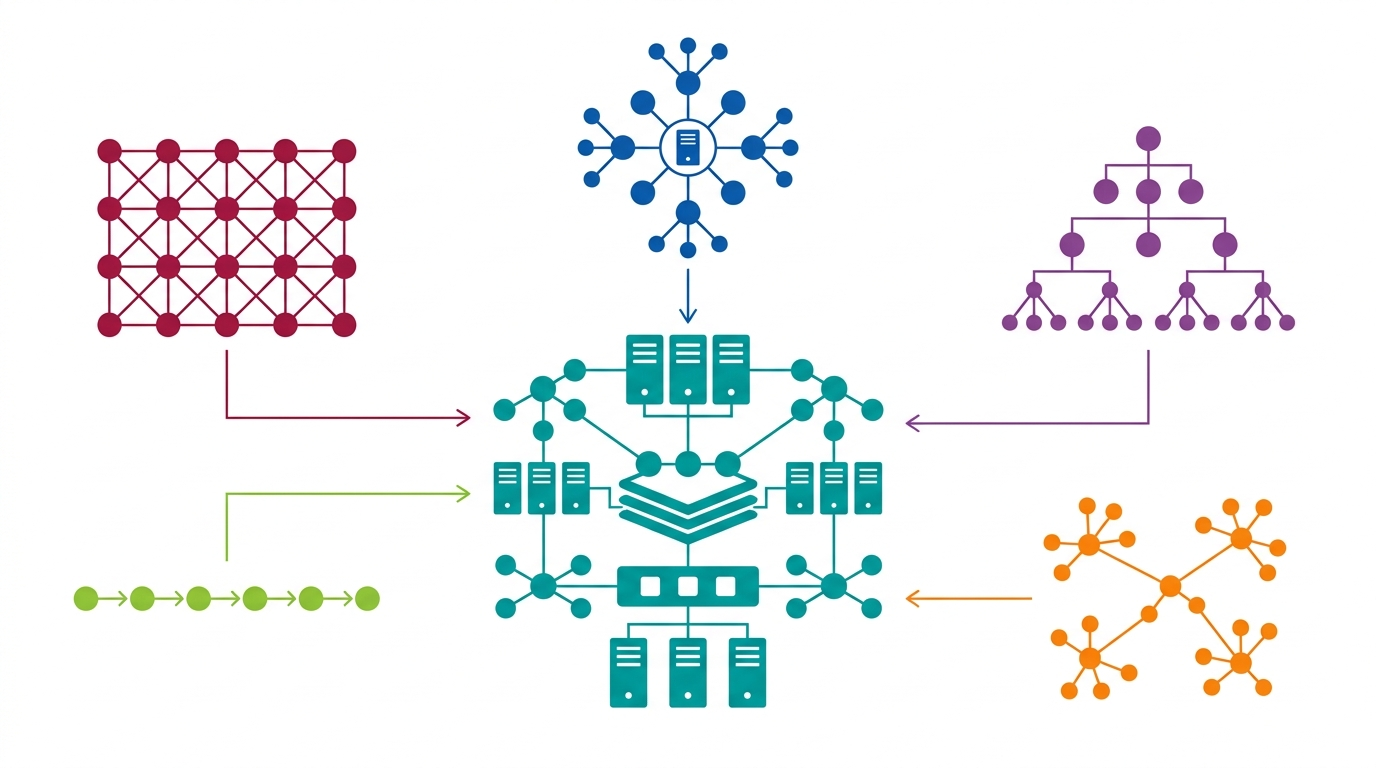
Across all four reference systems, several patterns emerge that are directly relevant to India’s NHCX journey.
1. Adoption Is Always a Longer Arc Than Expected
No national claims exchange has achieved full ecosystem adoption quickly. HIPAA’s 5010 compliance mandate, passed in 1996, did not reach full enforcement until approximately 2012, roughly fifteen years later. Australia’s HICAPS has grown steadily since 1998. Germany began its TI planning in the mid-2000s and completed its mandate only in 2020–21. India’s own trajectory from 45 organizations in late 2023 workshops to 83 payers and 42,687 providers by April 2026, reflects encouraging early velocity. Sustaining and expanding that velocity will require the same multi-year institutional commitment that defined every successful system studied here.
2. Technical Standards Are Necessary but Not Sufficient
Every successful system was built on robust technical standards: X12 837, FHIR, KBV formats, TI protocols, but the standards alone did not drive adoption. Governance clarity, dispute resolution mechanisms, compliance support infrastructure, and sustained stakeholder trust were equally decisive. The NHCX’s technical framework, FHIR R4, as confirmed in the ABDM FHIR Implementation Guide (v6.5.0, 2025), standardized claim formats, and secure API architecture is sound. The governance layer around it deserves equivalent investment and institutional attention.
3. The Mid-Market Provider Is Always the Hardest to Reach
In every country studied, large hospital systems and major insurers adapted relatively quickly. The friction point was consistently the mid-size and smaller provider, the nursing home, the specialist clinic, the diagnostic center, that lacked the IT infrastructure, budget, or dedicated teams to implement new systems. With 42,687 providers now registered on NHCX, the base is building, but reaching the full depth and diversity of India’s provider landscape will require targeted outreach, simplified tooling, and dedicated onboarding support well beyond what large network hospitals need.
4. Data Quality Is a Silent Determinant of Exchange Value
A claims exchange is only as valuable as the quality of data flowing through it. In systems where coding errors, incomplete clinical documentation, and non-standard formats persisted, the exchange became a mere routing layer with limited analytical value. The IRDAI sub-committee’s April 2026 mandate to incorporate data-driven analysis of medical inflation is a direct regulatory acknowledgment of this principle. It is also worth noting that India’s technical foundation here is actively maintained: the ABDM FHIR Implementation Guide reached version 6.5.0 in 2025, reflecting a living standard that RCM and health IT teams should be building against today. Establishing robust data quality governance frameworks alongside NHCX adoption is how the exchange becomes a genuine intelligence asset for the ecosystem, rather than simply a digital filing system.
Where CaladriusHealth.AI Fits Into This Context
The following section describes CaladriusHealth.AI’s own platform and its intended design alignment with NHCX requirements. It reflects the company’s goals and design intent, not independently verified performance outcomes.
For Indian healthcare providers navigating the NHCX transition, the challenge is not just understanding the policy framework; it is translating that framework into operational reality across departments that may have limited prior experience with standardized digital claims workflows.
CaladriusHealth.AI is designed to support this translation. Built with alignment to ABDM standards and the NHCX technical framework, including FHIR R4 data exchange and standard code sets such as ICD-10 and SNOMED CT, as specified in the ABDM FHIR Implementation Guide (v6.5.0, 2025), the platform aims to help healthcare providers and their RCM functions structure clinical documentation, coding, and claim submission workflows that are NHCX-ready, from eligibility verification through to adjudication and reconciliation.
As India’s regulatory environment accelerates, with the IRDAI sub-committee now formally in place, over 23 million claims already processed through the exchange, and the NHA’s innovation ecosystem actively expanding, the window for providers to build NHCX-ready foundations is narrowing in practical terms. CaladriusHealth.AI’s design goal is to give providers a compliance-forward starting point that aims to reduce manual intervention in the claims workflow, and in doing so, work toward lowering the documentation and coding errors that typically delay adjudication. The intent is a foundation that evolves alongside the standards, rather than one that requires a rebuild when the mandate formally arrives.
A Note on What India’s Context Uniquely Demands
No single international model translates cleanly onto India, given the distinctive features of its health ecosystem. The scale of informality in provider operations, the diversity of insurance product structures, the linguistic and geographic heterogeneity of the patient population, and the co-existence of public schemes like PM-JAY (Ayushman Bharat PM-JAY) with a large and growing private insurance market, all of these create a context that no other country has navigated in quite the same configuration.
What the international comparisons offer is not a blueprint, but a set of durable principles. And as April 2026 makes clear, with a new IRDAI sub-committee, a recent NHA Innovation Meet, 23 million claims already processed, and regulatory updates reshaping Singapore’s ISP landscape, those principles are no longer theoretical. They are actively playing out.
Closing: The Principles That Travel
The national health claims exchanges that have succeeded globally did so not because they were technologically superior, but because they were institutionally patient and policy-coherent. For the strategists, compliance leads, and policymakers shaping India’s NHCX path, the global record distills into five principles worth keeping close:
- Mandate with support: enforcement works best when paired with structured compliance assistance; Germany and Australia both demonstrate that penalties without implementation support create friction rather than adoption.
- Standardize early, enforce consistently: delayed or uneven enforcement of data standards is the single most common source of exchange underperformance across every system studied.
- Invest in the mid-market provider: the last-mile provider is where exchanges succeed or stall; they need simplified tooling and active onboarding support, not just policy circulars.
- Treat data quality as a first-class policy objective: the exchange’s long-term value as an analytical and oversight asset depends entirely on the integrity of what flows through it; India’s IRDAI sub-committee has already recognized this at the regulatory level.
- Build institutional trust before demanding institutional compliance: credibility must precede adoption if participation is to be genuine and sustained, rather than perfunctory.
India’s NHCX arrives at a pivotal moment: 83 payers registered, 42,687 providers onboarded, 23 million claims processed, a new regulatory sub-committee in place, and an innovation ecosystem in active motion. The global evidence is clear: every country that committed seriously to this infrastructure eventually found it indispensable. The destination is achievable. The path requires sustained attention, clear governance, and the right ecosystem partners to walk it.
💬 What’s your take on NHCX adoption timelines? With 23 million claims already processed, the IRDAI sub-committee now formally constituted, and the NHA’s innovation ecosystem accelerating, do you see India reaching meaningful scale within three years, and what factors will make or break it? Share your perspective in the comments below.
Prefer watching over reading?
Watch how the United States, Australia, Singapore, and Germany each built their national claims-exchange infrastructure, and what those four models mean for how India’s NHCX matures next.
Sources referenced in this article:
- NHA NHCX Dashboard, April 2026: 83 payers, 42,687 providers, 23M+ claims processed
- Pharmabiz, “10 hospitals join NHCX; NHA/IRDAI workshops,” November 16, 2023
- NHA, NHCX Innovation Meet & Hackathon Grand Finale, IIT Hyderabad, March 6–7, 2026
- IRDAI, Formation of Private Health Insurance Sub-Committee, April 7, 2026
- ABDM FHIR Implementation Guide, v6.5.0, 2025 (NRCeS): FHIR R4 as foundational standard
- MediBillRCM / HIPAA EDI Reference: ANSI X12 837 (HIPAA 5010) mandate
- Health Affairs / Fierce Healthcare: U.S. billing and administrative cost estimates (15–30%, various settings)
- Tyro, “About HICAPS,” 2025: 41 million annual claims; 87% allied health coverage (Tyro-reported)
- CPF Board Singapore, “How MediShield Life supports you,” May 2025
- Synapxe / MOH Singapore, “About NEHR,” 2020
- Singapore Parliament, Health Information Bill (HIB) passed January 12, 2026; MOH guidance: effective early 2027
- MOH Singapore, Integrated Shield Plan rider revisions, effective April 1, 2026
- German Federal Ministry of Health, Digital Healthcare Act (DVG), 2019: TI mandate timelines
This article is part of CaladriusHealth.AI’s ongoing editorial series on the evolving digital health and RCM landscape in India. The series is intended to support informed decision-making across the healthcare ecosystem, for providers, payers, regulators, and technology partners navigating India’s digital health transition. All data cited draws on publicly available government and industry sources as noted above.